Western Herbal Medicine · Endobiogenic Medicine
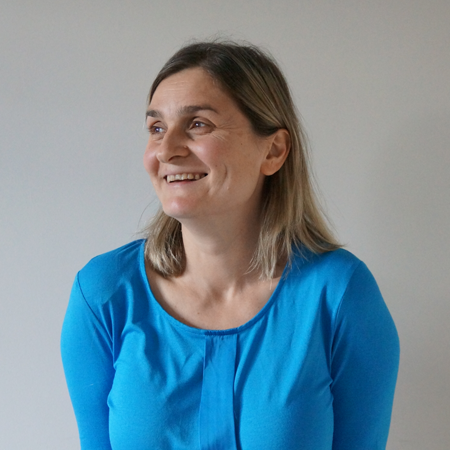
Khalda Mohammed
BSc (Hons) MCPP, MEMS – Medical Herbalist & Endobiogenic Medicine Practitioner
Member of the College of Practitioners of Phytotherapy (CPP) & Endobiogenic Medicine Society (EMS)

About Khalda Mohammed – Medical Herbalist & Endobiogenic Medicine, Chelsea SW10
Khalda Mohammed BSc (Hons) MCPP, MEMS is a Medical Herbalist and Practitioner of Endobiogenic Medicine at Chelsea Natural Health, 208 Fulham Road, Chelsea SW10. She completed her training at the University of East London and is a member of the College of Practitioners of Phytotherapy (CPP) and the Endobiogenic Medicine Society (EMS) – two of the principal professional bodies for medical herbalists in the UK.
Khalda uses the endobiogenic approach in conjunction with Western herbal medicine, bringing a comprehensive, whole-person perspective to her consultations. Her practice addresses the underlying causes of ill health beyond symptoms – exploring how the body’s internal systems regulate themselves, and using a systems-based model to create individualised treatment plans that support individuals in moving towards improved health.
Western herbal medicine
Western herbal medicine is one of the world’s most widespread healing traditions. It works from the principle that the human body has a natural capacity to heal itself when the appropriate support is provided. Khalda’s consultations explore the full picture of a patient’s health – physical symptoms, medical history, diet, lifestyle and emotional state – before designing a personalised herbal prescription. Herbal remedies are individually compounded for each patient.
Endobiogenic medicine
Endobiogenic medicine is a systems-based approach to understanding how the body regulates itself. Rather than looking at symptoms in isolation, it evaluates the activity of hormones and regulatory systems to identify the root causes of imbalance at cell, tissue and organ level. Khalda uses this framework to guide treatment and to evaluate a patient’s progress over time.
A key part of the endobiogenic assessment is the functional biology blood test – a specialised diagnostic tool that analyses 17 standard blood biomarkers through over 150 mathematical ratios. This goes far beyond a standard blood test: rather than simply measuring hormone levels in serum, it evaluates the activity and interaction of hormonal systems, providing a precise picture of the underlying regulatory imbalances driving a patient’s symptoms. The results directly guide Khalda’s herbal botanical prescribing and provide a numerical baseline against which progress can be measured over subsequent consultations.
Conditions treated
- Digestive disorders – IBS, acid reflux, bloating
- Hormonal imbalances and irregular cycles
- Menopausal and perimenopausal symptoms
- Anxiety, stress and nervous system support
- Respiratory conditions – asthma, chronic infections
- Skin conditions – eczema, psoriasis, acne
- Chronic fatigue and immune depletion
- Joint and inflammatory conditions
- Sleep disturbances
- General health optimisation
How Khalda’s approach compares to other practitioners at the clinic
Dr Gavin Han also prescribes Chinese herbal medicine alongside his acupuncture. Khalda’s Western herbal medicine is the most directly comparable to conventional pharmaceutical medicine in its regulatory framework, and may be preferred by patients seeking a herbal approach grounded in the Western scientific tradition. The addition of the endobiogenic functional blood test makes Khalda’s consultations uniquely data-driven among herbal practitioners.
Frequently asked questions
Book with Khalda
Medical herbalist and endobiogenic medicine. Contact the clinic to check availability.
Enquire about an appointment with Khalda
Not ready to book online? Send a message below and we will get back to you.
"*" indicates required fields
Related practitioners